
If you are craving a hearty, fiery, and soul-warming meal, you absolutely must try this Dakdoritang (Korean Spicy Chicken Stew) Recipe. This beloved Korean dish combines tender chicken pieces simmered with robust spices, chunky potatoes, and savory vegetables, creating a stew bursting with vibrant flavors and comforting warmth. Whether it’s a chilly evening or a craving for something bold, Dakdoritang promises a spicy, satisfying experience that will quickly become a favorite in your recipe rotation.
Ingredients You'll Need
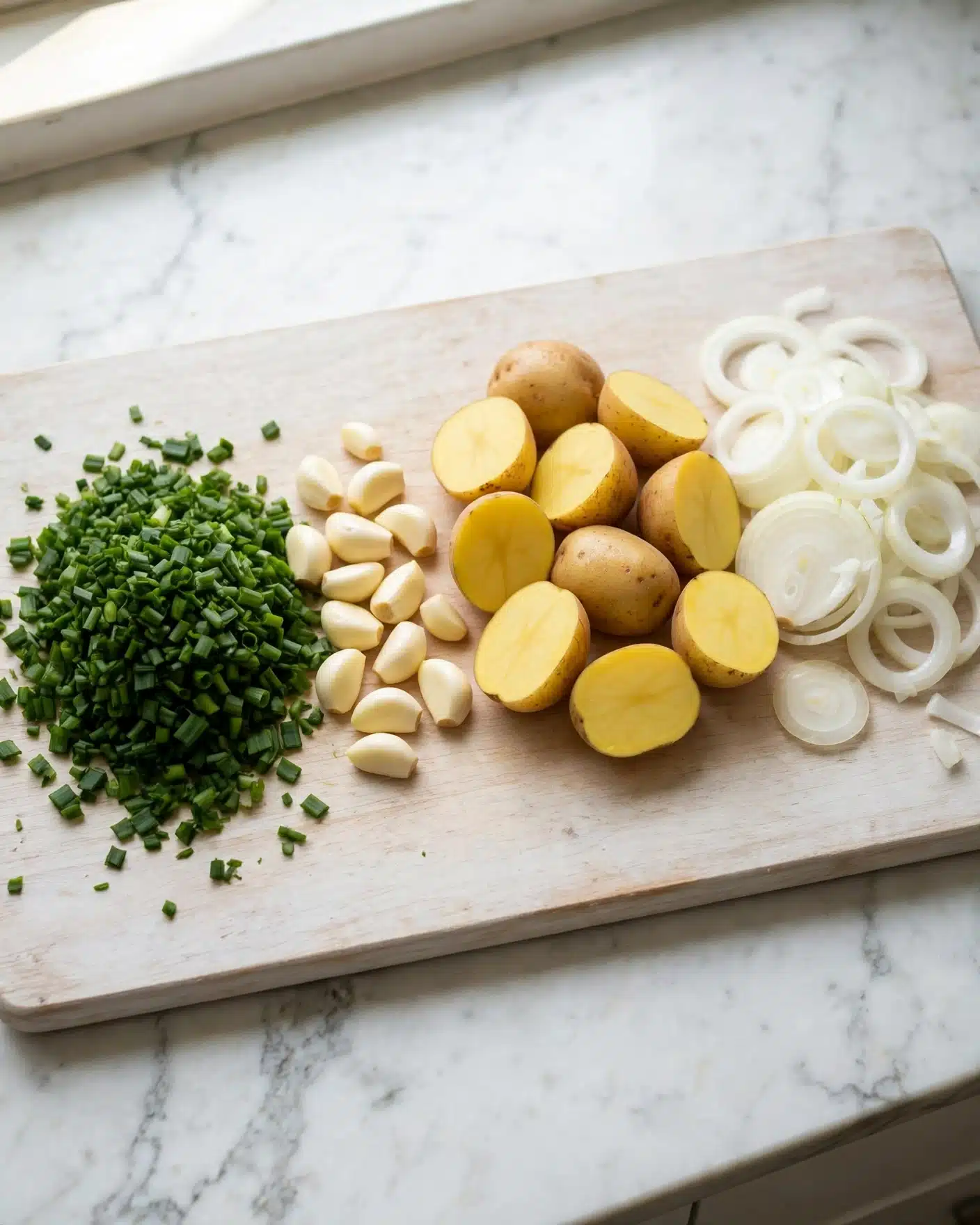
The beauty of this Dakdoritang (Korean Spicy Chicken Stew) Recipe lies in its simplicity yet bold flavor profile. Each ingredient plays a crucial role, contributing to the stew’s rich taste, texture, and appealing color. Gathering these staples is all it takes to create a truly unforgettable dish.
- 2.5 to 3 pounds bone-in chicken parts: Using bone-in pieces adds deep richness and helps keep the meat juicy and tender.
- 10 ounces potatoes: Cut into large chunks, they soak up the spicy broth and become irresistibly soft.
- 1 medium carrot (optional): Adds subtle sweetness and vibrant color to the stew.
- ½ large onion: Provides a natural sweetness and depth that balances the spice.
- 7 to 8 garlic cloves: Garlic packs a punch of aromatic flavor that elevates every bite.
- 2 to 3 thinly sliced ginger pieces: Ginger adds a fresh, warming zing that cuts through the richness.
- 2 scallions: Added at the end for a bright, fresh finish.
- 1 red chili pepper (optional): For added heat and a pop of color.
- 2 to 3 tablespoons gochugaru (Korean red chili pepper flakes): This is the heart of the dish’s vibrant, spicy flavor—adjust to your heat preference.
- 2 tablespoons sugar: Balances out the heat and rounds out the sauce beautifully.
- 4 tablespoons soy sauce: Adds umami depth and savory richness.
- 2 tablespoons rice wine (or mirin): Brings a subtle sweetness and complexity.
- 2 tablespoons gochujang (Korean red chili pepper paste): Adds both spice and a wonderful, deep red hue.
- Pinch of pepper: Enhances the seasoning without overpowering.
- 1 tablespoon sesame oil: Stirred in at the end for a fragrant, nutty aroma.
- 1 teaspoon sesame seeds: Toasted seeds add texture and a lovely visual touch.
How to Make Dakdoritang (Korean Spicy Chicken Stew) Recipe
Step 1: Prepare Your Vegetables and Chicken
Start by cutting all your veggies into big chunks—this makes the stew feel rustic and ensures the potatoes and carrots stay satisfyingly chunky. Trim any excess fat from the chicken pieces for a cleaner taste and better texture as they simmer in the stew.
Step 2: Combine Chicken and Sauce
In a large pot, add 1.5 cups of water alongside the chicken and all the sauce ingredients, except for the sesame oil and sesame seeds. Stir well to coat each piece fully in the spicy marinade. Bringing this to a boil over high heat is what jumpstarts the melding of bold flavors.
Step 3: Simmer the Chicken
Once boiling, reduce the heat to medium, cover the pot, and let it simmer for about 15 minutes. This initial cooking tenderizes the chicken while giving the sauce time to infuse deeply into the meat.
Step 4: Add Vegetables
Mix in the prepared potatoes, carrot, onion, garlic, and ginger slices. Keep the scallions aside for now. Cover and cook for another 10 minutes, occasionally stirring to prevent sticking and ensure even cooking.
Step 5: Final Cooking and Flavor Boost
Remove the lid and continue cooking uncovered, stirring occasionally, until the chicken is perfect and the sauce thickens slightly, about 5 more minutes. Then, stir in the scallions, the optional chili pepper, sesame oil, and sprinkle the sesame seeds to finish off this stunning stew.
Step 6: Optional Slow Cooker Method
If you’d rather set it and forget it, toss the prepared chicken and vegetables into a slow cooker along with the sauce mixture (except the sesame oil and seeds). Cook on high for around 4 hours or low for 6 hours until tender, then stir in the garnishes before serving.
How to Serve Dakdoritang (Korean Spicy Chicken Stew) Recipe
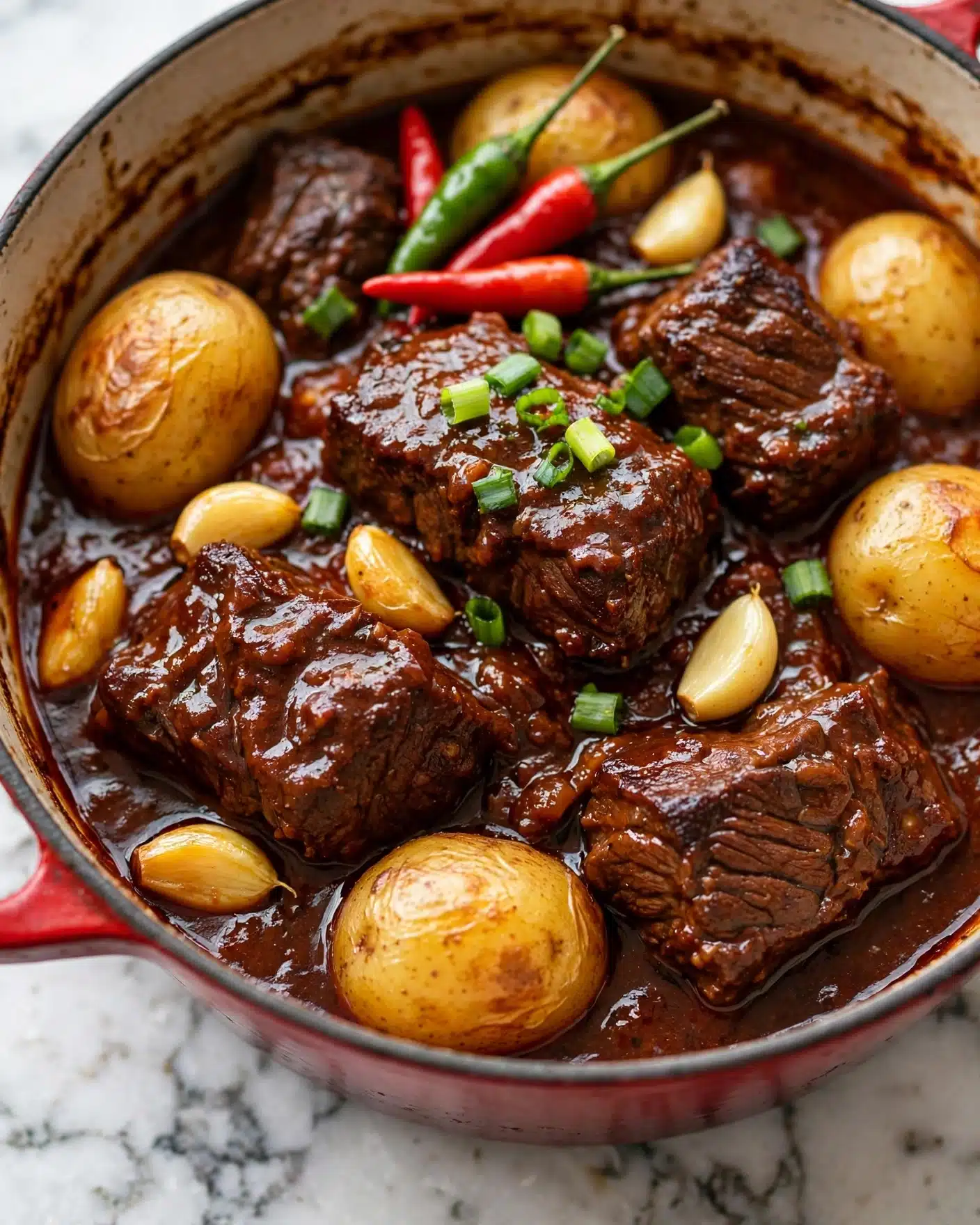
Garnishes
A sprinkle of toasted sesame seeds and fresh scallions right before serving is everything. These add not only color but also a delicate crunch and a nutty aroma that perfectly complement the rich, spicy stew.
Side Dishes
Dakdoritang pairs brilliantly with steamed white rice, which soaks up every bit of that fiery sauce. If you want to go traditional, serve it with kimchi or lightly sautéed greens to balance the spice and bring even more Korean flair to the table.
Creative Ways to Present
For a fun twist, serve Dakdoritang in rustic stone bowls or a hot pot to keep it warm longer. Garnish with thinly sliced fresh chili or a drizzle of chili oil for extra heat lovers, or offer crispy fried tofu cubes on the side to add a different texture dimension.
Make Ahead and Storage
Storing Leftovers
Leftovers can be stored in an airtight container in the refrigerator for up to 3 days. The flavors continue to deepen, making it even tastier the next day—just be sure to cool it quickly after cooking to keep the chicken tender.
Freezing
This stew freezes beautifully. Portion your Dakdoritang into freezer-safe containers or bags and freeze for up to 2 months. When ready, thaw overnight in the fridge before reheating for a quick, comforting meal any time.
Reheating
Reheat gently on the stovetop over low to medium heat or in the microwave. Stir occasionally to heat evenly and avoid overcooking the chicken. If the stew looks too thick after refrigerating, a splash of water or broth helps bring back the perfect consistency.
FAQs
Can I use boneless chicken for Dakdoritang?
Absolutely! Boneless chicken works fine if you prefer convenience, but bone-in pieces offer more flavor and juiciness that really elevate the stew.
Is this stew very spicy?
The spice level can be adjusted by changing the amount of gochugaru and gochujang. You can make it milder or super spicy depending on your heat tolerance.
What if I don’t have Korean chili flakes?
While gochugaru is ideal for authentic flavor, you can substitute with regular red chili flakes or paprika for milder heat, but the flavor profile will be slightly different.
Can I add other vegetables to this stew?
Sure! Vegetables like zucchini, mushrooms, or bell peppers can be added to customize the texture and profile of your Dakdoritang.
How long does the stew last after cooking?
Stored properly in the fridge, Dakdoritang remains delicious and safe to eat for up to 3 days.
Final Thoughts
Trust me, once you try this Dakdoritang (Korean Spicy Chicken Stew) Recipe, it’s going to become a cherished staple in your home cooking. There’s something incredibly comforting about the mix of tender chicken, spicy sauce, and chunky veggies that feels like a warm hug on a plate. Don’t hesitate—dive in and enjoy all the bold flavors and cozy vibes this dish has to offer!
Print
Dakdoritang (Korean Spicy Chicken Stew) Recipe
- Total Time: 40 minutes stovetop or up to 6 hours slow cooker
- Yield: 4 servings
Description
Dakdoritang is a classic Korean spicy chicken stew featuring succulent bone-in chicken simmered with hearty potatoes, carrots, and aromatic spices in a vibrant, flavorful broth made from gochugaru, gochujang, and soy sauce. This comforting dish balances robust heat and sweetness with tender veggies, perfect for a satisfying family meal.
Ingredients
Chicken and Vegetables
- 2.5 to 3 pounds bone-in chicken parts, cut into small pieces (excess fat removed)
- 10 ounces potatoes, cut into big chunks
- 1 medium carrot, cut into big chunks (optional)
- ½ large onion, cut into big chunks
- 7 to 8 plump garlic cloves
- 2 to 3 thinly sliced ginger pieces (about 1-inch round)
- 2 scallions, cut into 2-inch lengths
- 1 red chili pepper (optional)
Seasonings and Sauce
- 2 to 3 tablespoons gochugaru (Korean red chili pepper flakes), adjust to taste
- 2 tablespoons sugar
- 4 tablespoons soy sauce
- 2 tablespoons rice wine or mirin
- 2 tablespoons gochujang (Korean red chili pepper paste)
- Pinch of pepper
- 1 tablespoon sesame oil
- 1 teaspoon sesame seeds
- 1.5 cups water
Instructions
- Prepare Vegetables: Cut the potatoes, carrot, and onion into large chunks. Slice ginger thinly and cut scallions into 2-inch lengths. Optionally prepare the red chili pepper.
- Make Sauce and Start Stew (Stovetop Method): In a large pot, combine 1.5 cups water, chicken pieces, gochugaru, sugar, soy sauce, rice wine (or mirin), gochujang, garlic cloves, ginger slices, and a pinch of pepper. Stir well to mix all ingredients. Bring to a boil over high heat.
- Simmer Chicken Covered: Once boiling, reduce heat to medium, cover the pot, and cook for 15 minutes, stirring occasionally to prevent sticking and to distribute flavors.
- Add Vegetables and Continue Cooking: Stir in the potatoes, carrot, and onion chunks (not scallions). Cover again and cook for another 10 minutes, stirring every now and then to keep the stew uniform and prevent burning.
- Finish Cooking Uncovered: Remove the lid and cook for approximately 5 more minutes, allowing the stew to thicken slightly and the chicken to become tender. Stir in the scallions, optional red chili pepper, sesame oil, and sesame seeds just before turning off the heat.
- Slow Cooker Alternative: Place chicken and all vegetables (except scallions) into the slow cooker. Add sauce ingredients (gochugaru, sugar, soy sauce, rice wine or mirin, gochujang, garlic, ginger, pepper) and 1.5 cups water. Stir to coat everything evenly. Cook on high for about 4 hours, or on low for 6 hours if necessary. Before serving, stir in scallions, sesame oil, and sesame seeds. Skim off any excess fat if desired.
Notes
- You can adjust the level of spiciness by varying the amount of gochugaru and gochujang.
- Using bone-in chicken adds depth of flavor and richness to the stew, but boneless can be substituted for quicker cooking.
- The optional red chili pepper adds extra heat and color but can be omitted if preferred mild.
- For a thicker sauce, cook uncovered longer to reduce the liquid.
- The slow cooker method offers a hands-off alternative that also tenderizes the chicken deeply.
- Skim excess fat from the stew before serving for a cleaner taste.
- Prep Time: 15 minutes
- Cook Time: 25 minutes stovetop or 4 to 6 hours slow cooker
- Category: Main Course
- Method: Stovetop
- Cuisine: Korean





Leave a Reply